That Time I Thought I Had TB
And by “That Time” I Mean a Month Ago When I Went to State Med for My Medical Clearance Appointment
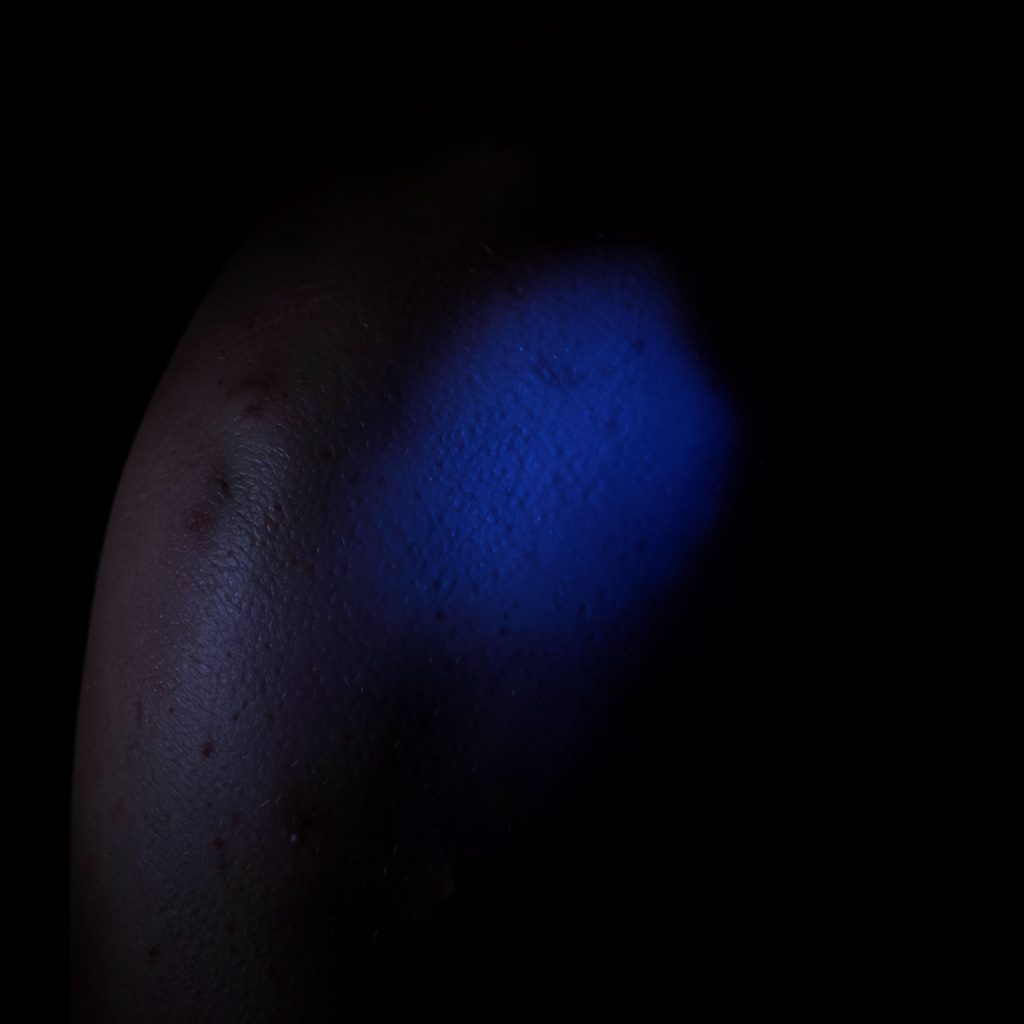
Note: I do not have TB. So don’t worry. But judging from the reaction I had to the skin test, I thought I did. What would you think if you had this on your arm?
Getting a medical clearance appointment at State Med was part of the process for accompanying Kail, a Foreign Service Officer with USAID, abroad. Spousal medical and security clearances are required, and the visit includes bloodwork, chest X-rays, and skin tests.
I finally got my medical clearance appointment, so I wrote down what happened while it was still fresh — the wait, the paperwork, the shots, and the arm reaction that had me convinced for a week that I had contracted something serious.
What the appointment involved
- Bloodwork
- Chest X-ray
- Skin test (the one that made me nervous)
- Spousal medical and security clearance paperwork
It sounds routine once it is written down as a list, but standing in a clinic waiting room in Washington, DC with these steps on the checklist, everything takes on a slightly larger weight than a usual doctor’s visit.
The skin test
The skin test is the part I still think about. When the reading came back with a strong reaction, I spent the next several days certain something was wrong with me — partly because the reaction on my arm looked alarming, and partly because I had no idea what a normal result should look like.
Good news: no TB. The reaction was strong, but it was not what I had feared.
| Step | What it covered |
|---|---|
| Bloodwork | Standard lab draws as part of the clearance visit |
| Chest X-ray | Imaging completed at State Med |
| Skin test | The reaction that made me think I had TB |
| Clearance forms | Spousal medical and security clearances |
Looking back
Now that it is over, the appointment is mostly a funny story rather than a stressful one. It is also a good reminder that this whole overseas life starts with a checklist and a series of small bureaucratic steps, none of which look like “expat adventure” but all of which have to be finished before you can go anywhere new.
If you are preparing for a Foreign Service post and wondering what the medical clearance appointment is like, I hope this helps. If you have questions, I am glad to answer them.
Getting a medical clearance appointment is one of those steps that sounds minor on paper but takes on a strange weight when you actually sit in the clinic waiting room. The list itself is straightforward: bloodwork, a chest X-ray, a skin test, and a pile of spousal medical and security clearance paperwork. Nothing about the items is complicated. Yet standing there with each box checked off in your head, a routine doctor's visit begins to feel like something closer to an audition.
The paperwork is where most of the waiting happens. Forms for both spouses, each needing their own documentation, and the security clearance paperwork adds a layer of bureaucracy that has little to do with medicine and everything to do with process. Writing it all down while it was still fresh turned a blurry memory into something manageable, which is its own kind of relief. A list turns an overwhelming afternoon into a series of small, finishable tasks.
The skin test was the part that made my hands cold. A tiny scratch, then a wait to see what happens, and a week of quietly convinced certainty that something had gone wrong. There is a particular kind of anxiety that belongs only to waiting on a result you cannot schedule or speed up. The reaction I eventually saw was mild and ordinary, and the whole episode became one of those stories you tell afterwards with a laugh and a small shake of the head.
Chest X-rays and bloodwork belong to that category of procedure that looks more dramatic than it is. You hold still, the machine does its work, and someone reads an image that has nothing visibly wrong with it. After a while you stop imagining what the inside of your own body looks like on a screen. The clinical rhythm of it, the clipboard, the waiting room lighting, it all becomes strangely procedural after the first appointment.
By the end of it, the thing that stayed with me most was how unremarkable the whole process looked in retrospect. Bureaucracy dressed up as ordeal, resolved into paperwork and a few quick procedures. Living abroad as an expat in Germany means navigating exactly these kinds of systems, and this was simply one more: a form, a wait, a result, a signature. Somewhere between the waiting room and the parking lot, an item on a very long list got crossed off.